Views: 0 Author: Site Editor Publish Time: 2025-09-10 Origin: Site


Solar energy has become one of the most trusted ways to cut energy bills and reduce dependence on traditional power sources. Yet many homeowners still ask one simple question: do solar panels work at night? The short answer is no — a solar panel does not produce electricity after the sun sets. But thanks to storage technologies, grid-tied systems, and hybrid solutions, solar energy can still power your home around the clock. At QCEPOWER, we provide high-quality solar panel solutions that help homeowners maximize energy use both during the day and at night, ensuring a steady flow of renewable energy.
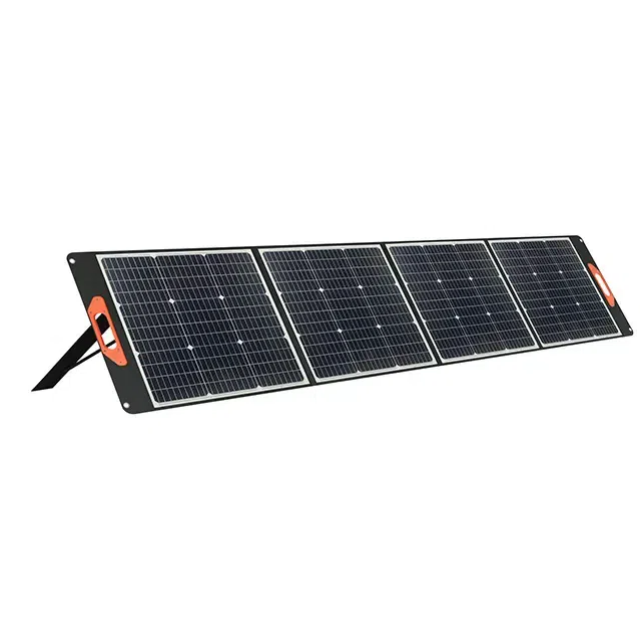
A solar panel generates electricity through the photovoltaic effect, where semiconductor materials convert sunlight into direct current (DC) power. The process depends entirely on photons from sunlight striking the solar cells. Once the sun goes down, there are no usable photons available, which means solar panels stop generating electricity.
Some wonder whether moonlight can power solar panels. In theory, moonlight is just reflected sunlight, but its intensity is far too weak for practical energy generation. The amount of electricity captured is negligible — so negligible that it does not contribute to your home’s energy supply. At night, the solar panel essentially rests until the sun rises again.
It is also worth noting that even during the day, solar panel performance changes with weather conditions and seasonal shifts. Cloud cover, shorter winter days, and lower sun angles reduce production. While this doesn’t affect night-time directly, it highlights why battery storage and careful energy planning are so important for consistent, reliable usage throughout the year.
While the panels themselves stop producing, that does not mean you have to stop using solar power. Modern systems allow you to benefit from daytime generation long after sunset.
The most common setup is a grid-tied solar system. During the day, your panels may generate more energy than your home consumes. That surplus is exported to the utility grid. With net metering, you receive credits for this contribution. At night, when panels are inactive, you draw power back from the grid, effectively using the credits earned earlier. This system ensures a seamless power supply, though it depends on local utility policies and grid availability.
For homeowners who prefer energy independence, a solar battery is an ideal option. These batteries store surplus electricity produced during the day, which you can then use at night. Choosing the right battery capacity involves considering daily energy use, peak demand, and the number of backup hours desired. Larger batteries provide greater autonomy but cost more and require careful planning. The tradeoff between cost and reliability is key to designing the right system. With QCEPOWER solar panels combined with energy storage, homeowners can reduce grid dependence and enjoy clean power even after dark.
Some families prefer a combination of net metering and batteries. This hybrid approach offers flexibility: you can rely on your stored energy for critical loads at night, while still exporting excess daytime electricity to the grid for credit. It creates an efficient balance between self-consumption and utility interaction.
Nighttime solar availability is not just about daily consumption. Many homeowners are also concerned about how systems behave in blackouts. Different system designs respond differently when the grid goes down.
A standard grid-tied solar system without battery storage automatically shuts down during a blackout. This is a safety feature: even if panels are producing electricity, the inverter disconnects from the grid to protect utility workers who may be repairing power lines. While this ensures safety, it also means you cannot use solar energy during an outage if your system lacks storage.
Hybrid systems combine grid connection with battery storage, giving you the flexibility to draw from stored solar energy during blackouts. Off-grid systems, designed for complete independence, always use batteries and sometimes backup generators. These setups can power critical loads such as lighting, refrigerators, or medical equipment overnight, even when the grid is unavailable. For families seeking reliable night-time energy security, QCEPOWER offers solar panel and battery bundles that keep essential appliances running no matter what happens outside.
Modern inverters also include safety protections and intelligent management. They automatically manage when to draw from solar, battery, or the grid, making sure your home always has a stable supply of electricity. This automation is especially valuable at night when you don’t want to manually switch power sources.
One of the most persistent myths is that solar panels can generate power from moonlight. As explained earlier, this is technically true but practically useless. The power generated is so tiny that it cannot run even the smallest household devices. This is why every solar energy solution must include either grid backup or storage for nighttime use.
Solar energy works best when paired with smart energy practices. For example, running large appliances like dishwashers, washing machines, or electric vehicle chargers during the day takes advantage of abundant sunlight. Using timers or smart home technology ensures that daytime solar production directly powers these devices, minimizing the need to draw from batteries or the grid at night. Energy efficiency improvements such as LED lighting and insulation further reduce nighttime demand, stretching stored solar power even further.
As electric vehicles become more common, homeowners can also consider integrating their charging schedules with solar production. Charging during the afternoon makes full use of available sunlight, while battery backup ensures the car can still be charged at night if needed. This combination of solar panels, batteries, and smart charging makes renewable energy more practical and sustainable.
Selecting the correct solar battery is critical. Undersizing leads to power shortages, while oversizing adds unnecessary expense. Homeowners should analyze their nighttime load, consider essential appliances, and consult with energy experts to find the right balance.
In regions where utilities charge higher rates during peak evening hours, shifting usage patterns can reduce bills. For example, precooling a home in the afternoon or scheduling laundry for daylight hours makes better use of solar generation.
Appliances like water heaters, dryers, and electric vehicle chargers can be programmed to operate when the sun is shining. This minimizes nighttime demand and makes your system more efficient.
Even with batteries, extended cloudy weather or multi-day blackouts may challenge energy supply. A small backup generator can serve as an additional safety net. Combining QCEPOWER solar panels, storage solutions, and optional backup generation gives homeowners peace of mind for every situation.
Another useful step is adopting monitoring software or apps. These allow you to track generation and consumption in real time, so you know exactly how much stored energy is available at night. Smart management ensures you get the best return from your investment in solar technology.
A solar panel itself does not work at night, because it requires sunlight to generate electricity. However, through grid-tied net metering, battery storage, and hybrid system designs, homeowners can continue to enjoy the benefits of solar energy long after the sun sets. With QCEPOWER’s high-performance solar panels and integrated energy solutions, you can achieve reliable, sustainable power day and night. To learn more about how our products can support your home’s energy needs, contact us today.


